As a filmmaker, Gabriel Mascaro has created some of the most thought-provoking and visually stunning films of recent years. With a keen eye for detail and an ability to capture the essence of the human experience, Mascaro has become one of the most respected and innovative directors in the industry. But what are his favorite films of all time? In this article, we’ll take a look at the top five movies according to Gabriel Mascaro, and why they are considered some of the best films ever made.
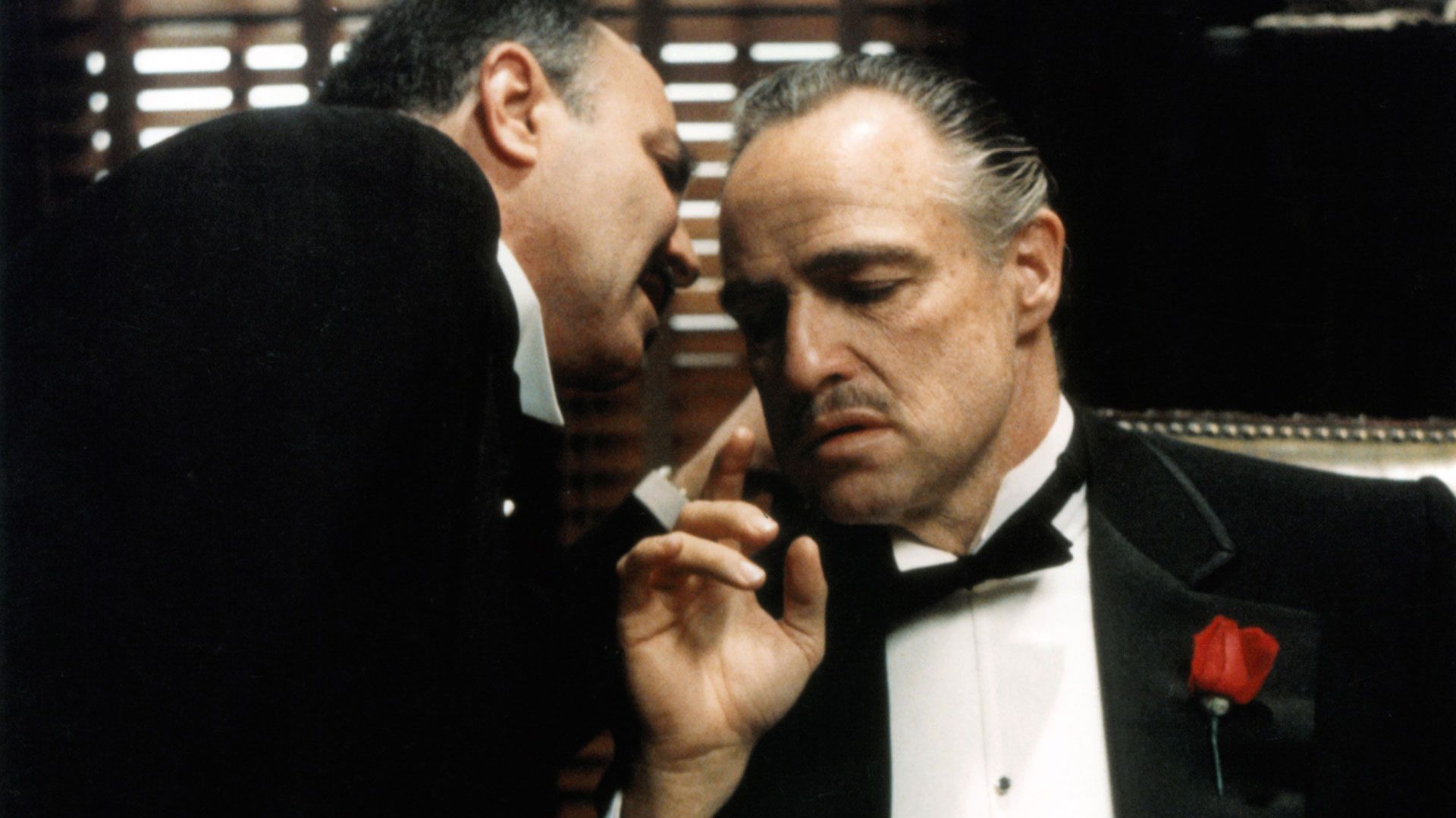
1. The Godfather (1972)
Francis Ford Coppola’s masterpiece needs no introduction. Widely regarded as one of the greatest films of all time, The Godfather tells the story of the Corleone family and their struggles to maintain their power in the face of rival gangs and law enforcement. Mascaro cites the film’s “complexity of the characters, the artful direction, and the amazing performances” as reasons for its enduring appeal.
2. Bicycle Thieves (1948)
Italian director Vittorio De Sica’s Bicycle Thieves is a classic of neorealist cinema, and a favorite of Mascaro. The film follows a poor man and his son as they search the streets of Rome for their stolen bicycle, which is essential for the father’s job. Mascaro admires the film’s “raw emotion, social commentary, and beautiful cinematography.”
3. 8½ (1963)
Federico Fellini’s surreal masterpiece 8½ is a film that Mascaro says “changed the way I thought about cinema.” The film tells the story of a filmmaker (played by Marcello Mastroianni) who is struggling to complete his latest project. As he grapples with creative block and personal issues, he finds himself drawn into a dreamlike world of memories and fantasies. Mascaro loves the film’s “innovative storytelling, beautiful visuals, and existential themes.”
4. Persona (1966)
Ingmar Bergman’s psychological drama Persona is another favorite of Mascaro’s. The film tells the story of a nurse who is assigned to care for an actress who has suddenly stopped speaking. As the two women spend time together, their identities begin to blur and merge in strange and unsettling ways. Mascaro says that the film’s “powerful performances, haunting imagery, and exploration of the nature of identity make it a true masterpiece.”
5. City of God (2002)
This Brazilian crime drama directed by Fernando Meirelles and Kátia Lund is a film that Mascaro describes as “a modern classic.” Set in the slums of Rio de Janeiro, the film tells the story of two friends, one of whom becomes a drug lord while the other becomes a photographer. The film is notable for its energetic camera work, complex narrative structure, and powerful performances from its young cast. Mascaro praises the film for its “raw and honest portrayal of life in the favelas, and its ability to capture the energy and spirit of Brazil.”
Each of these five films has left a lasting impression on Gabriel Mascaro, and they all share a common thread of exploring complex themes and universal human experiences. From the power dynamics of crime families in The Godfather to the exploration of identity in Persona, these films challenge the audience to think deeply about the world around them.
As a director himself, it’s clear that Mascaro has been influenced by the work of these great filmmakers. His own films, such as Neon Bull and Divine Love, similarly explore complex themes and push the boundaries of visual storytelling.
Whether you’re a film buff or simply looking for some inspiration for your next movie night, these five films are a must-watch. They represent the very best of cinema, and the enduring legacy of great filmmakers who have changed the way we think about the world.
In conclusion, Gabriel Mascaro’s top five movies of all time represent a diverse range of cinematic styles and themes, from the classic drama of The Godfather to the surrealism of 8½. What unites these films is their ability to explore universal human experiences in a way that is both thought-provoking and visually stunning. These are the films that have inspired one of the most innovative directors working today, and they are a must-watch for anyone who loves the art of cinema.